How a Radon Reduction System Protects Your Home and Health
Why Radon Gas Deserves Your Attention
Living in York County, I have seen how quickly radon gas can become a serious issue inside homes that otherwise look perfectly sound. Radon is a radioactive gas that comes from the natural breakdown of uranium in soil and rock. It moves up through the ground and seeps into buildings through cracks in the foundation, gaps around pipes, and even through the concrete slab itself. The EPA has identified radon as the second leading cause of lung cancer in the United States, which makes testing and mitigation a priority for any homeowner.
I remember a job where a family had been living with elevated levels for years without knowing it. They assumed because their basement was dry and finished, they were safe. But radon does not give obvious signs. It has no smell, no color, and no taste. That is why a proper radon reduction system is not something to postpone once you know your levels are high.
Understanding How a Radon Reduction System Works
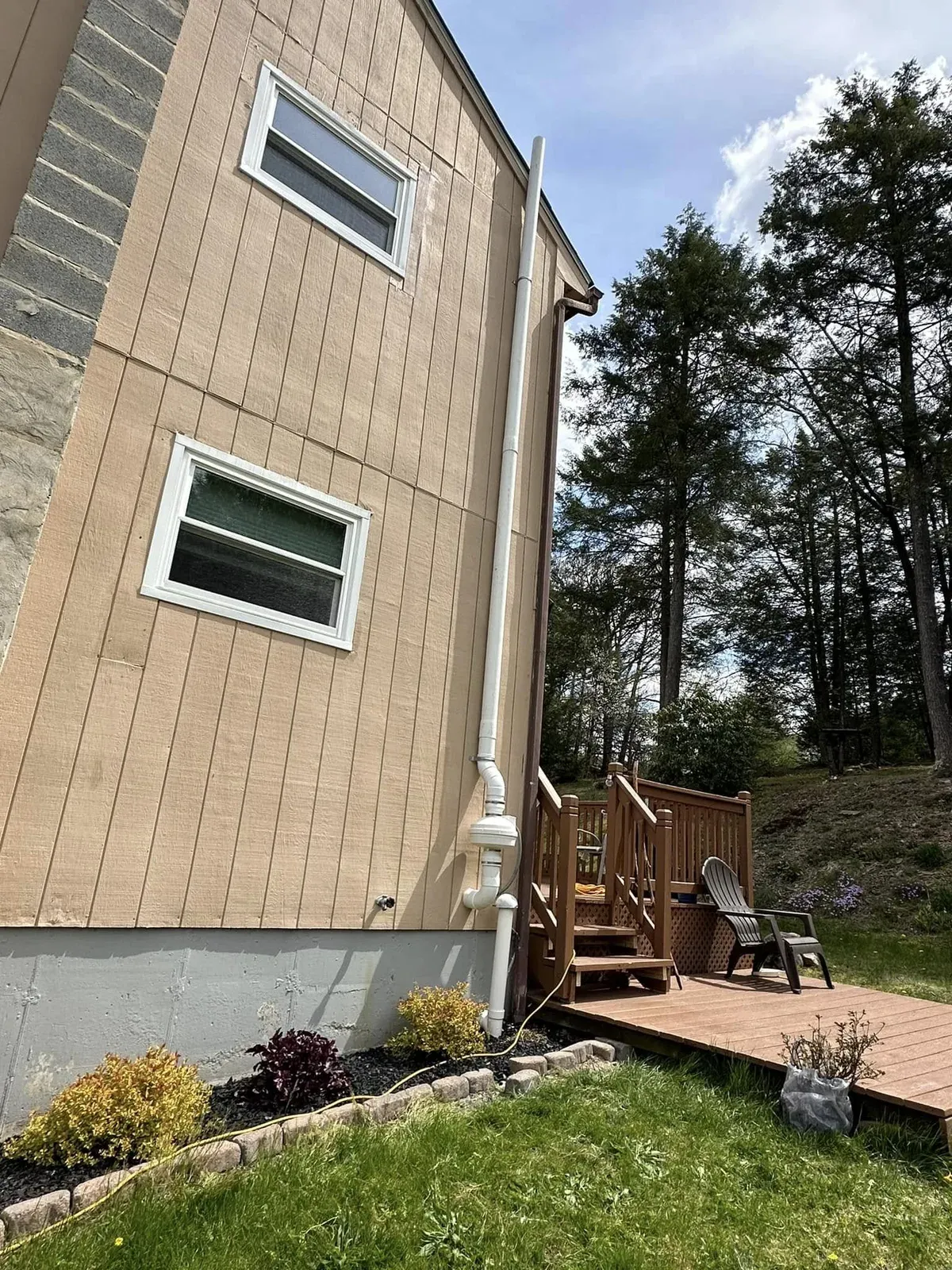
The most common approach for lowering indoor radon levels is called active soil depressurization. This method uses a fan to create a vacuum beneath the home, pulling radon-laden air from under the concrete slab and venting it safely above the roofline through a PVC vent pipe. The radon reduction system relies on a sealed pathway so that the gas never enters the living space. Without a good seal, the system cannot work efficiently, and you might still see elevated test results.
One of the first steps in any installation is diagnostic testing. This involves placing a continuous radon monitor in the lowest livable area to get a baseline reading. It also helps the installer understand the soil conditions and the best location for the suction point. In some homes, especially those with complex foundations or multiple slabs, the installer may need to create a sump hole under the slab to improve air flow to the fan. A sump hole is essentially a small cavity dug beneath the concrete that gives the suction point a larger collection area.
Key Components of a Reliable Setup
A well-built radon reduction system includes several parts that must work together. The fan itself is the heart of the system. RadonAway and SaniDry are two brands I have worked with for years, and both make durable fans designed for continuous operation. Fan replacement becomes necessary eventually, but a quality unit should run for ten years or more with proper maintenance. The PVC vent pipe must be sized correctly and run without sharp bends that restrict airflow. A U-tube manometer is installed to show whether the fan is maintaining the correct negative pressure under the slab. If the manometer fluid drops, you know there is a problem, such as a leak or a failing fan.
Sealing cracks in the basement floor and walls is another essential part of the work. Even tiny gaps can allow radon to bypass the suction. I have seen cases where a homeowner sealed obvious cracks but missed the joint where the floor meets the wall, and that was enough to keep levels high. A thorough inspection and proper caulking are necessary for the system to perform as designed.
Why Professional Installation Matters for York County Homes
York County has a mix of soil types, from clay to sandy loam, and each presents different challenges for mitigation. Dan Jenkins, who runs the local service behind this site, has installed systems in hundreds of homes across the area. He understands how seasonal changes affect soil moisture and how that influences fan performance. A system that works perfectly in July may struggle in a wet November if the installer did not account for groundwater. In some cases, a French drain or a perimeter drain may be needed to keep the sub-slab area dry enough for the system to maintain suction.
There is also the matter of aesthetics and practicality. A good installer will route the PVC vent pipe in a way that does not ruin the look of your home. They will also make sure the exhaust exits at a safe distance from windows, doors, and air intakes. Post-mitigation test results are only valid if the system is running under normal conditions, so the installer should schedule a retest after the system has been operating for at least 24 hours. A continuous radon monitor can give real-time feedback during this period, while a retest kit sent to a lab provides the official result needed for real estate transactions or peace of mind.
Maintenance and Long-Term Care
Once your radon reduction system is in place, it requires very little attention. The main thing is to check the U-tube manometer every few months to verify the fan is still pulling vacuum. If you notice the fluid level has dropped to zero, the system is not working, and you should call a professional for fan replacement or leak repair. It is also wise to retest your home every two years or after any major structural work, such as adding an addition or replacing the foundation drainage. The EPA recommends this interval because soil conditions and the building itself change over time.
Some homeowners ask whether they can install a system themselves to save money. I understand the appeal, but the risks are real. A DIY installation might miss the critical step of sealing cracks or might position the suction point in a spot that does not pull radon from the whole footprint. Worse, an improperly vented fan can draw radon into the house instead of out of it. Hiring someone who does this work daily, like Dan Jenkins, ensures the system is designed and installed to meet the specific conditions of your home.
What to Expect After Installation
After the system is running, the first thing you will notice is the quiet hum of the fan. Most modern fans are very quiet, so you may not hear it at all. The real change shows up in the test results. A typical reduction goes from a pre-mitigation reading of 10 or 15 picocuries per liter down to below the EPA action level of 4 pCi/L, often much lower. I have seen systems bring levels down to under 1 pCi/L in well-sealed homes with good soil conditions.
One detail that surprises many homeowners is that the radon reduction system may run continuously for years without issue. The fan draws a small amount of electricity, similar to a 60-watt light bulb, so the operating cost is minimal. The peace of mind, however, is priceless. Knowing that your family is not breathing a known carcinogen every day changes how you feel about your basement or first-floor living area.
Final Thoughts on Choosing the Right Approach
Not every home needs a complex system. In some cases, sealing cracks and improving ventilation can lower radon levels enough. But for most homes in York County with elevated readings, an active soil depressurization system is the most reliable solution. The key is to work with an experienced professional who uses quality components like those from RadonAway or SaniDry, performs thorough diagnostic testing, and provides a clear post-mitigation test result.
If you are considering a radon reduction system for your home, start with a simple test kit from a hardware store or order a continuous radon monitor online. If the results show levels at or above 4 pCi/L, call a local expert. The cost of mitigation is small compared to the health risks of living with radon year after year. And once the system is in place, you can forget about it, except for that occasional glance at the manometer to confirm everything is working.